In recent years, innovations in LASIK technology have changed the landscape of vision correction, presenting patients a selection of choices for treating refractive errors. your domain name of the most innovative procedures in this domain is SMILE laser eye surgery, a advanced procedure that specifically targets shortsightedness. With its careful approach and minimally invasive procedure, SMILE offers individuals seeking improved eyesight a exciting alternative to conventional techniques like LASIK and PRK.
This piece explores the intricacies of SMILE eye surgery, discussing its method, gains, potential side effects, and healing time. We will also compare SMILE with other popular vision correction surgeries, discuss the economic considerations associated with the treatment, and assist prospective patients figure out if they are suitable candidates for this groundbreaking approach. As the interest for effective and convenient vision correction grows, grasping SMILE laser eye surgery becomes essential for those desiring to boost their well-being through better eyesight.
Understanding SMILE Vision Procedure
Small Incision Lenticule Extraction vision procedure, or SMILE, is a revolutionary technique in the domain of sight correction primarily aimed at correcting nearsightedness, also known as myopia. This non-invasive procedure utilizes advanced laser technology to reshape the cornea, enhancing the eye's ability to focus without the the need for conventional scalpel incisions. By developing a minute, precise lenticule from within the corneal tissue and extracting it through a tiny incision, this technique offers a simplified approach to sight correction that results in minimal disturbance of cornea tissue.
One of the key benefits of SMILE is its no-blade nature, which makes it unique from alternative corrective techniques, such as Laser-Assisted In Situ Keratomileusis and PRK. With without need for a flap, patients experience potentially reduced complications and a quicker recovery period. The procedure typically takes around 30 minutes, and numerous patients report improved vision shortly after the procedure. Comprehending how this eye surgery works can enable individuals consider their choices for vision correction and determine if it suits their requirements and way of life.
In also to its success, potential individuals often wonder about the safety and side effects associated with this eye surgery. While most patients experience minimal complications, some may experience brief discomfort or visual disturbances during the healing process. It's essential for individuals considering SMILE to consult with an eye care professional to assess their suitability and to gain insight into the normal recovery process. This individualized evaluation ensures that they have a clear understanding of the surgery's benefits and any potential risks.
Contrasting Small Incision Lenticule Extraction and Other Techniques
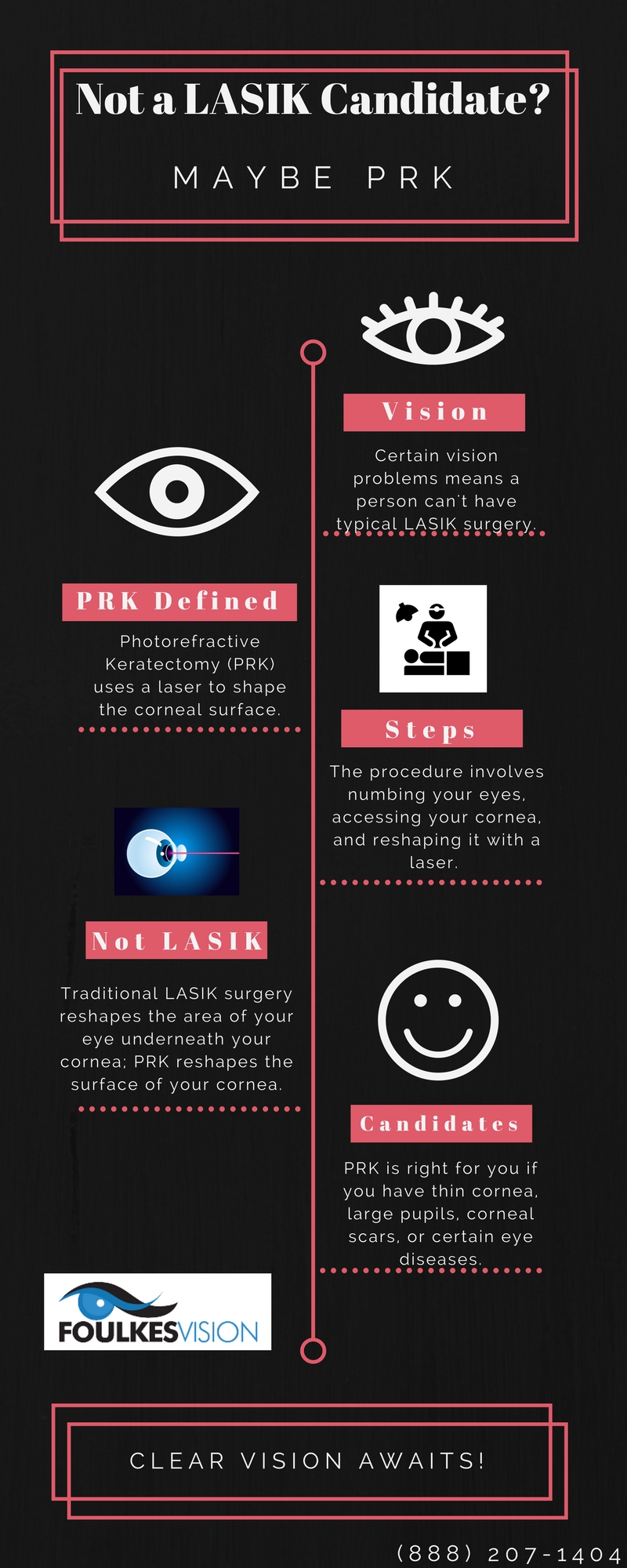
When considering vision correction options, it's crucial to contrast Small Incision Lenticule Extraction with other popular procedures with alternative popular procedures such as LASIK & PRK. Small Incision Lenticule Extraction, or SMILE, is a minimally invasive method that entails making a tiny incision to extract a thin slice of corneal tissue from the eye, correcting myopia and astigmatism. In comparison, LASIK uses a corneal flap to access the cornea and reshape it with a laser, while PRK removes the outer layer of the cornea entirely before reshaping it. Each procedure has its unique benefits and operational differences that can influence a patient's decision based on their individual needs and desires.
One of the primary benefits of Small Incision Lenticule Extraction over traditional LASIK is the absence of a flap, which can minimize the risk of issues related to flap displacement and dry eye syndrome. Individuals often experience a faster healing time with SMILE in comparison to Photorefractive Keratectomy, where recovery can take longer due to the excision of the epithelium. Additionally, findings from studies show that the long-term visual outcomes for Small Incision Lenticule Extraction are comparable to both Laser-Assisted in Situ Keratomileusis and PRK, providing patients with great choices for vision correction, particularly for those suffering from nearsightedness.
Pricing can also be a critical consideration when contrasting these methods. Although Small Incision Lenticule Extraction costs are often similar to those of Laser-Assisted in Situ Keratomileusis, individuals should take into account the potential long-term benefits such as reduced need for further procedures and complications. In conclusion, understanding the differences in techniques, recovery times, and expenses can help individuals make informed decisions when exploring their options for vision correction, ensuring they select the most suitable option for their lifestyle and needs.
Cost and Benefits of SMILE
The price of Smile eye surgery can vary considerably due to factors such as the surgeon's skill, the equipment used, and the geographic area of the clinic. Generally, the price range for SMILE surgery is comparable to other laser eye surgeries, typically falling between 2,000 to 4k thousand dollars per ocular unit. While this cost may seem substantial, many clients find the long-term benefits from no longer needing eyewear or contact lenses to be worthwhile.
In addition to its price, the benefits of Smile eye procedure are significant. Patients often experience a rapid recovery time, with many returning to their daily activities within a day or two days. The minimally invasive nature of the surgery means less pain and a reduced risk of issues compared to conventional techniques, such as LASIK. Additionally, the precision of the Smile method allows for efficient management of nearsightedness, potentially lowering reliance on vision aids significantly.
Overall, the benefits of SMILE surgery, including improved vision quality and reduced reliance on glasses, add to its growing popularity. When considering the costs against the potential for sustainable clarity and convenience, many individuals find Smile eye procedure to be an attractive choice for vision enhancement.
Rehabilitation and Eligibility for SMILE
The recovery process after SMILE is usually quick and smooth for many patients. SMILE Procedure Age Requirements can anticipate to feel some light discomfort or irritation in the eyes during the initial days post-surgery. Typically, these symptoms resolve within a week, and many individuals notice significant improvements in their sight almost right away. It is important to follow the post-operative care provided by the ophthalmologist, which may include using recommended eye drops and avoiding strenuous activities for a short period.
Determining eligibility for SMILE involves a thorough evaluation by an eye care professional. Ideal candidates typically are adults aged 18 who have stable vision for at least a year and have a refraction within the treatable range for myopia. Individuals with certain eye conditions or health issues may be advised against undergoing the procedure. A detailed eye exam will help evaluate the patient's overall eye health and suitability for the SMILE.
Many people believe that the benefits of SMILE eye surgery, such as faster recovery times and lower postoperative discomfort compared to conventional LASIK, make it an attractive option. As with any medical procedure, reviewing personal health history and specific visual needs with an ophthalmologist is crucial to ensure the best results and determine if SMILE is the right option for achieving ideal vision correction.